Cost guide
What an emergency electrician costs, and when you actually need one
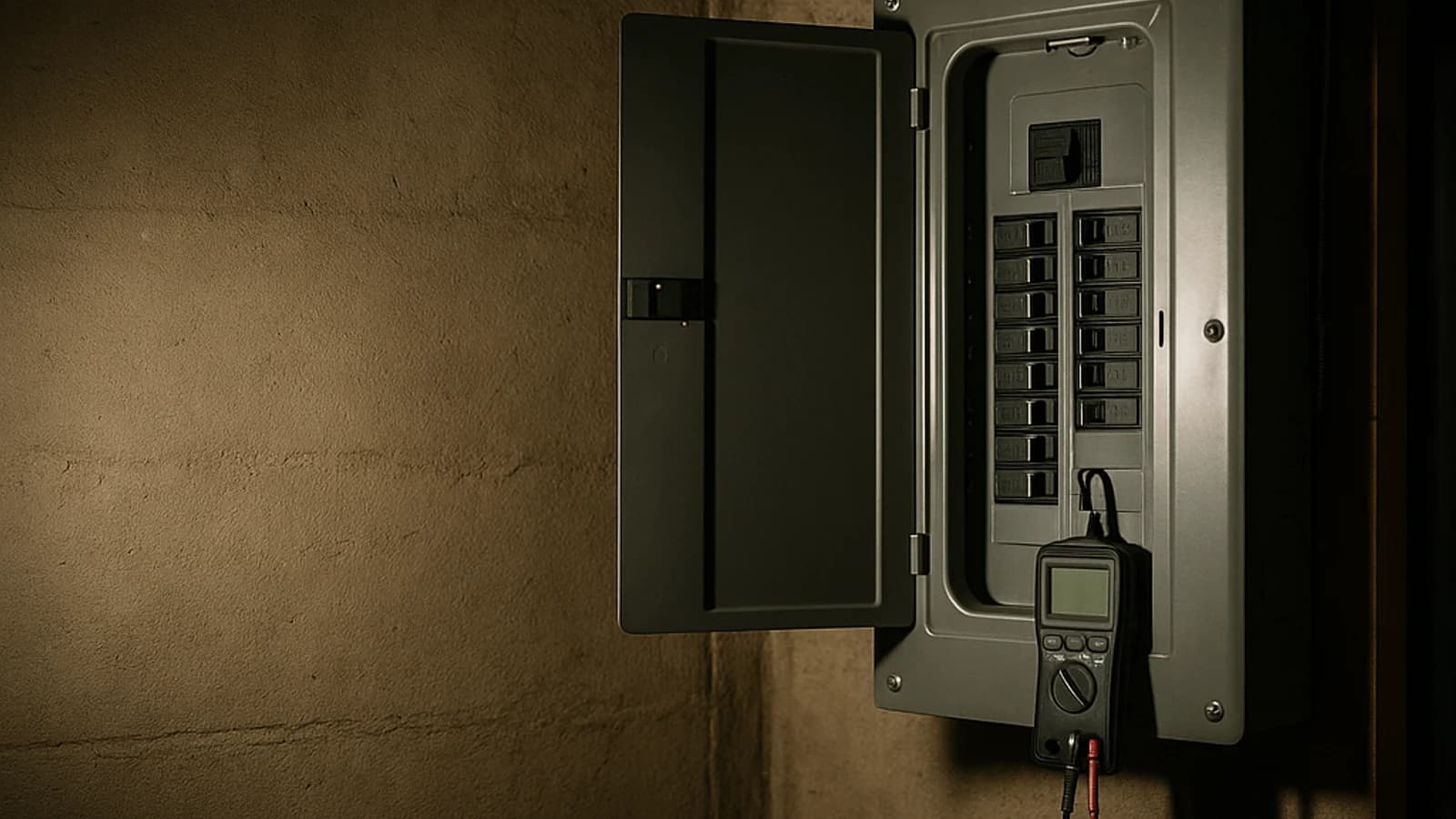
Most electrical problems are not emergencies. A dead outlet, a light that will not switch on, a breaker that trips when you run the microwave and the kettle together — all of those can wait for a scheduled appointment, and paying an after-hours premium for them is money spent on anxiety rather than on risk.
A small number genuinely cannot wait, and the difference is worth knowing before you are standing in a dark hallway deciding. This guide separates the two, then covers what a call-out actually costs in the Chicago suburbs.
| Scope of work | Typical range | What moves the price |
|---|---|---|
| Call-out and diagnosis, business hoursUsually covers travel and the first hour of fault-finding. | $150 – $300 | Usually covers travel and the first hour of fault-finding. |
| Call-out and diagnosis, evenings and weekendsThe after-hours premium is typically 1.5x to 2x the standard rate. | $250 – $450 | The after-hours premium is typically 1.5x to 2x the standard rate. |
| Additional labour beyond the first hourAfter-hours rates apply until the fault is made safe. | $110 – $185 / hour | After-hours rates apply until the fault is made safe. |
| Replace a failed breakerHigher on obsolete panels where a compatible breaker is hard to source. | $150 – $350 | Higher on obsolete panels where a compatible breaker is hard to source. |
| Repair a burned receptacle or switchIncludes replacing damaged conductors back to sound cable. | $180 – $450 | Includes replacing damaged conductors back to sound cable. |
| Service neutral failure on the utility sideThe utility owns the service drop. Report it to them, not to an electrician. | No charge to you | The utility owns the service drop. Report it to them, not to an electrician. |
| Make safe tonight, full repair scheduled laterOften the sensible option: isolate the fault now, do the work properly in daylight. | $200 – $600 | Often the sensible option: isolate the fault now, do the work properly in daylight. |
Ranges reflect typical Chicago-area pricing and are for planning only — they are not a quote. Actual cost depends on your home, your existing wiring, and the permit requirements in your municipality. Only a licensed electrician who has seen the job can price it.
Three faults that genuinely cannot wait
If any of these describes what your house is doing, act now rather than in the morning. Everything else on this page is less urgent than these three.
- Lights dimming and brightening in opposite halves of the house, or appliances surging in one half while another dims. This is the signature of a lost service neutral and it can destroy connected electronics within minutes. Switch off the main breaker and call your electric utility — this fault is usually on their side of the meter.
- A burning or hot-plastic smell, or visible scorching at an outlet, a switch, or the panel. Something is overheating inside an enclosure where you cannot see it. There is no version of this that waits until Monday.
- A breaker that trips again the instant you reset it with nothing plugged in. That is a genuine fault rather than an overload, and the breaker is doing exactly its job. Leave it off — resetting it repeatedly removes the protection without addressing the fault.
What to do before anyone arrives
Two or three minutes of the right action here can turn a dangerous situation into an inconvenient one, and occasionally saves the cost of the call-out entirely.
- If you suspect a lost neutral — the dimming-and-brightening symptom — switch off the main breaker. It protects everything downstream while you wait.
- If a single circuit is the problem, switch that breaker off and leave it off. You do not need to kill power to the whole house.
- Unplug anything on the affected circuit, particularly electronics and anything with a motor.
- Check whether your neighbours have power. If the street is dark it is a utility outage, and an electrician cannot help you.
- Do not run an extension lead from a working circuit to a dead one. It is the most common improvised fix and it overloads the circuit that still works.
- If there is smoke, visible flame, or a smell you cannot locate, leave the house and call 911 rather than an electrician.
What can safely wait until Monday
Paying an after-hours premium for any of these is unnecessary, and an honest contractor will tell you so on the phone.
A single dead outlet or switch with no smell and no heat. A breaker that trips only when two specific appliances run together — that is an overload, and it is telling you about capacity rather than a fault. A light fitting that has stopped working. A GFCI that will not reset but shows no other symptom, which is very often the GFCI itself reaching the end of its life.
Flickering confined to one light is usually a loose lamp or a failing fixture. Flickering across the whole house, in the pattern described above, is not.
How after-hours pricing actually works
Emergency pricing is structured differently from scheduled work, and knowing the structure makes a quote far easier to read.
Almost every contractor charges a call-out fee covering travel and the first hour of diagnosis, typically 1.5 to 2 times the standard hourly rate outside business hours. It is charged whether or not the fault turns out to be fixable on the spot, which is reasonable — the diagnosis is the work.
Ask on the phone whether the call-out fee is credited against the repair if you proceed. Many contractors credit it and some do not, and it is much easier to establish before they are dispatched than afterwards.
Ask a second question too: can they make it safe tonight and complete the repair during normal hours? Isolating a fault at 11pm and returning at 9am is frequently cheaper and no less safe, and a contractor who volunteers that option is telling you something good about how they work.
The Illinois licensing detail that matters at 2am
Illinois licenses electrical contractors municipally rather than at state level, so there is no single state register to check. Verification runs through your village or city building department — which is closed at 2am, exactly when you need it.
So do the checking in advance where you can. Ask for a licence number and a certificate of insurance before work starts; you are entitled to both, and hesitation on either is informative. For urgent work at an antisocial hour, a contractor who already covers your municipality and pulls permits there routinely is a far safer bet than whoever appears first in a search result.
Emergency Electrician in your town
Local permit authority, electric utility, and the housing eras that decide what your house actually needs.
All towns for emergency repairs